Professional biography

About Sam Nyombi

A professional aviation perspective shaped by preparation, technical curiosity, measured judgment, and responsibility to the wider operating team.

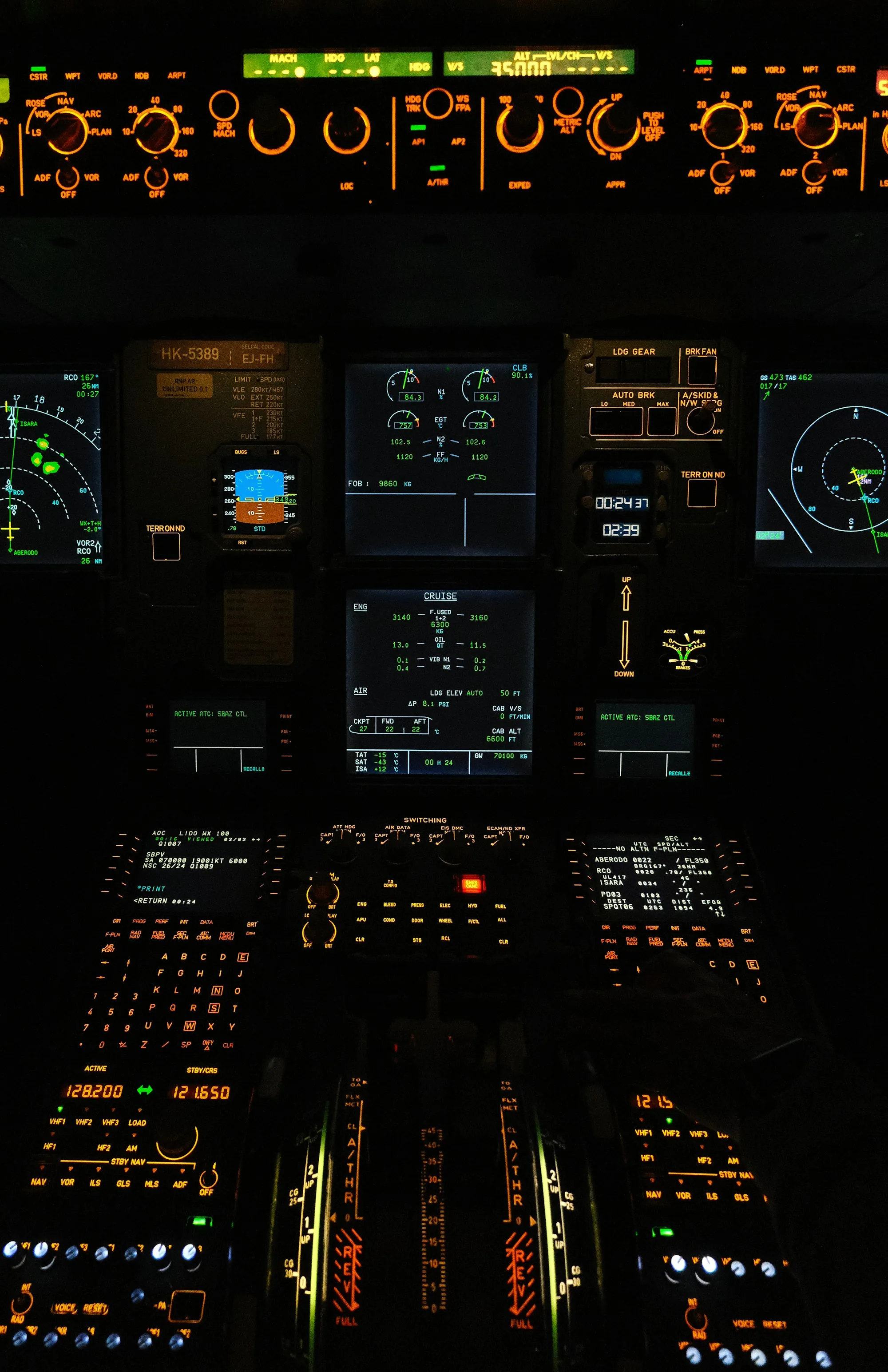
Professional flight deck with illuminated cockpit controls
A professional flight-deck environment prepared for operations.

Sam Nyombi brings a disciplined, systems-focused perspective to professional aviation. His approach connects thorough preparation, technical understanding, crew coordination, and conservative decision-making. He is particularly interested in how safety culture, human factors, and recurrent learning help aviation professionals maintain dependable standards in changing operational environments.

Sam Nyombi’s professional identity is grounded in the discipline of aviation: preparing carefully, understanding the operating picture, communicating with precision, and making decisions that protect safety margins. He approaches each stage of an operation as part of a connected system in which aircraft, crew, weather, procedures, and time all influence one another.

His aviation mindset places equal value on technical competence and human performance. Systems knowledge and procedural fluency provide an essential foundation, while situational awareness, workload management, and open communication determine how effectively that knowledge is applied. This balanced view informs his approach to both routine operations and moments of elevated complexity.

Continuous learning is central to Sam’s professional development. He treats briefings, recurrent study, constructive feedback, and post-flight reflection as practical tools for strengthening judgment. Rather than viewing experience as time accumulated, he sees it as information that must be examined, shared, and translated into better future practice.
Aviation mindset

Responsibility begins with the quality of the process

Professional flying asks for precision without overconfidence. It requires pilots to establish a plan, monitor how reality differs from it, and adapt before a manageable change becomes an urgent one. Sam’s aviation mindset is built around that cycle of preparation, observation, interpretation, and timely action.

It also recognises that safe outcomes are created by a wider system. Flight crew, cabin crew, dispatch, engineering, ground operations, and air traffic services each hold part of the operational picture. Clear communication across those boundaries is an essential professional skill.

Explore the underlying principles in the aviation profile or see how they translate into practical capability on the experience page.

Professional approach

01

Discipline as a daily practice

For Sam, aviation professionalism is visible in repeated choices: arriving prepared, respecting a sound procedure, communicating uncertainty, and resisting the pressure to continue when the available margin is no longer appropriate. Discipline is not rigidity. It is the reliable alignment of action with evidence, standards, and operational priorities.

That approach begins with preparation. Weather, aircraft status, route structure, fuel, alternates, operating constraints, and crew readiness form one connected picture. The purpose is not to predict every event, but to understand where the plan is strong, where it is exposed, and which changes would require an early response.

Technical competence

02

Knowledge that remains usable

Technical learning has the greatest value when it supports clear action. Sam’s approach connects systems knowledge to operational consequence: what an indication means, how a change affects the wider flight, and which reference or procedure should guide the next step. Verification is preferred to uncertain recall, particularly when workload is elevated.

Procedural fluency provides a stable baseline across normal and non-normal situations. Understanding the reason behind a sequence matters as much as remembering it. That understanding makes it easier to recognise a mismatch, communicate a necessary adaptation, and preserve the intent of the standard when circumstances are changing.

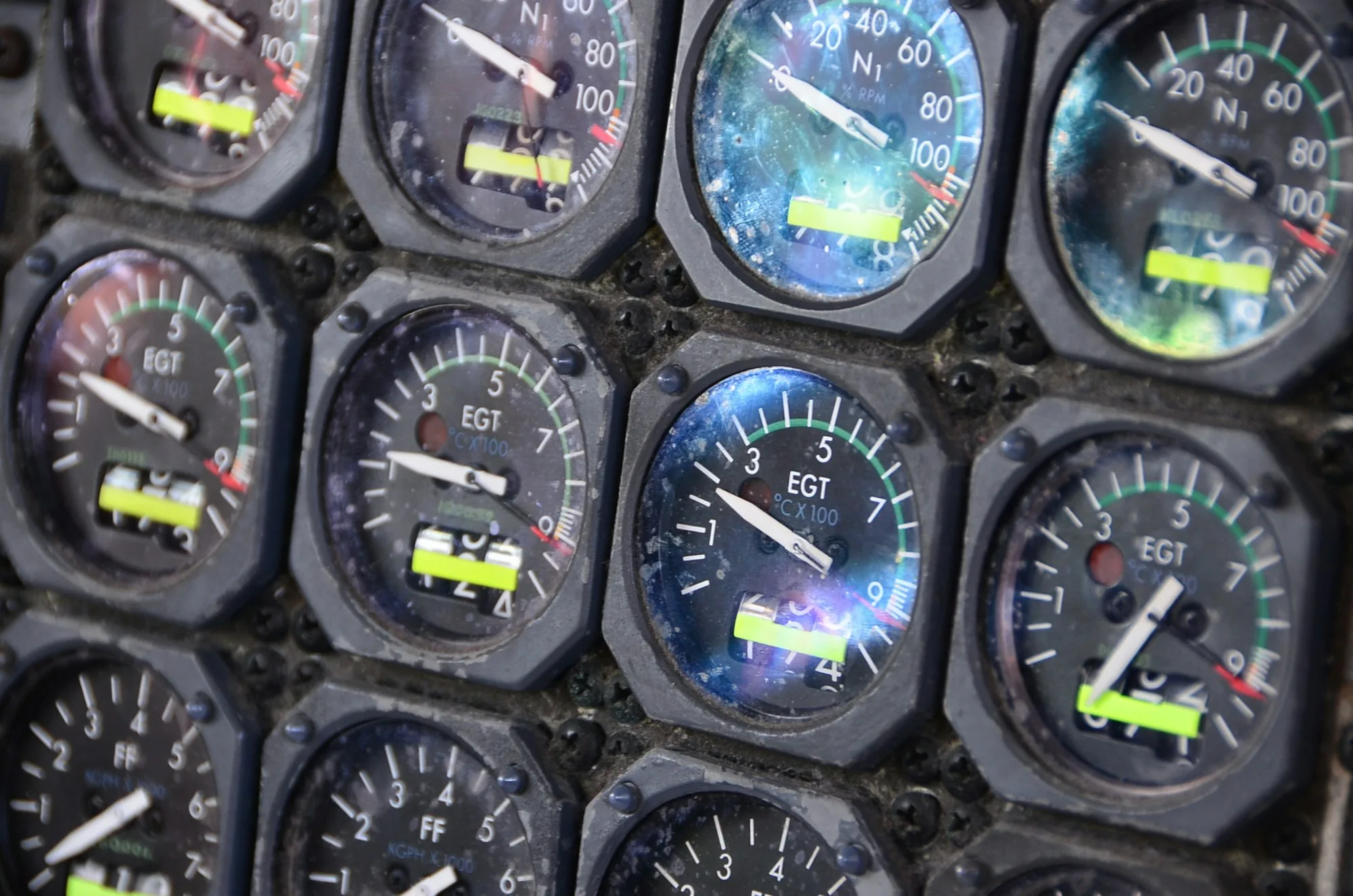
Aircraft instrument panel displaying flight information

Human factors

03

The person inside the system

Aviation systems are operated by people whose attention, energy, perception, and judgment vary. Sam treats fatigue, expectation bias, distraction, task saturation, and authority gradients as operational realities. They are not solved by confidence alone; they require practical defenses such as deliberate cross-checks, stable task sharing, concise callouts, and an environment in which uncertainty can be stated early.

This perspective also shapes leadership. Effective leaders make priorities explicit, listen for information that challenges the current plan, and respond to concerns with curiosity. Authority remains clear, but it is used to strengthen the quality of the shared picture rather than to silence useful input.

Professional growth

04

Experience examined, not merely accumulated

Sam views professional development as an active process of study, practice, feedback, and reflection. A routine flight can still reveal something about briefing quality, scan discipline, workload distribution, or decision timing. Those observations become valuable when they are converted into a specific behavior that can be tested on the next operation.

Recurrent learning protects knowledge that may be used infrequently but must remain accessible. It also creates space to revisit familiar habits before familiarity becomes complacency. Technical review, scenario discussion, and constructive debriefing help maintain both precision and adaptability.

Professional values

Principles carried into the operation

  • 01

    Safety before schedule

  • 02

    Preparation with purpose

  • 03

    Clear and respectful communication

  • 04

    Calm, conservative judgment

  • 05

    Continuous learning

  • 06

    Professional accountability

Current direction

Learning with purpose

Developing deeper technical knowledge, strengthening human-factors awareness, and contributing to thoughtful conversations about professional standards, crew performance, and operational safety.

The direction is deliberately broad: deepen technical understanding, study how people perform under real operating conditions, and keep developing the communication and judgment that support reliable crew performance.

  • Flight operations and operational discipline
  • Crew resource management
  • Human factors and resilient performance
  • Situational awareness and decision-making
  • Aviation safety culture
  • Recurrent learning and technical development
Read the aviation journal