Professional experience

Capability across the aviation system

An experience profile organised around the work itself: preparing, coordinating, monitoring, deciding, communicating, and continuing to learn.

Experience matters when it improves the next decision.

His professional experience is best understood through capability rather than a list of unsupported dates or organizations: flight preparation, procedural discipline, safety and risk awareness, coordinated crew performance, clear communication, recurrent learning, and the steady development of sound operational judgment.

This capability-based view keeps the focus on professional practice. It shows how technical knowledge, human performance, and disciplined operating habits work together to support stable, well-coordinated flight operations.

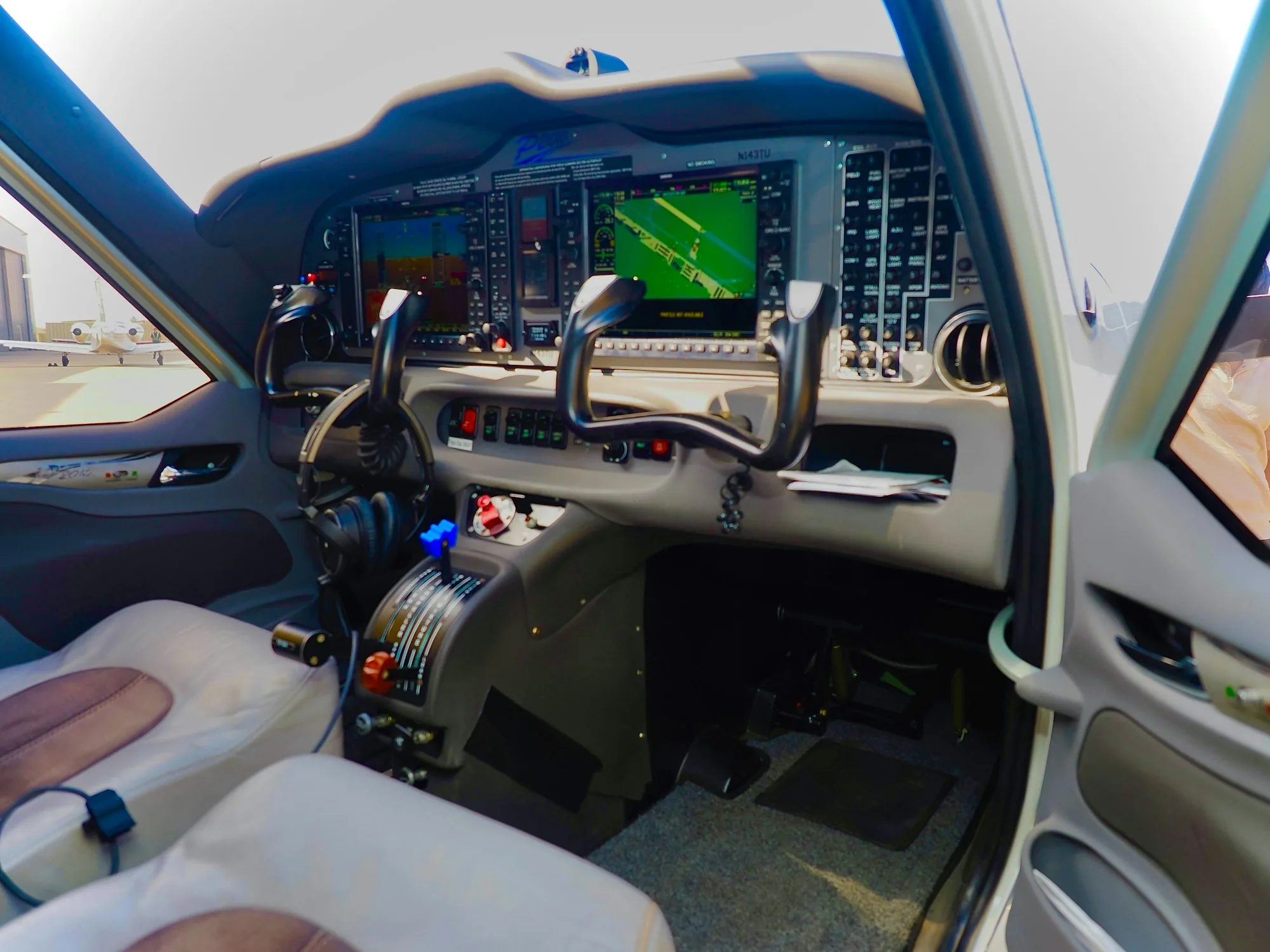
Regional aircraft flight deck prepared for professional operations

Experience domains

The capabilities behind dependable operations

Each area reinforces the others. Preparation supports awareness; awareness improves decisions; communication turns those decisions into coordinated action.

01 / End-to-end discipline

Flight Operations

A structured approach to flight preparation, execution, monitoring, and review keeps the operation connected from first briefing to final debrief.

Operational work begins by translating route, weather, aircraft, fuel, performance, and timing information into a clear plan. Threats are identified early, responsibilities are agreed, and useful decision points are established before workload rises.

In flight, the plan remains active rather than fixed. Aircraft state, automation, traffic, weather, and available options are continuously compared with expectations. Meaningful changes are communicated, and the crew updates its priorities before the situation becomes compressed.

02 / Margin before momentum

Safety & Risk Awareness

Risk management is most effective while several safe options are still available and the operation has time to adapt.

Hazards are considered in combination rather than isolation. Weather may increase workload; delay may affect fuel and fatigue; unfamiliarity may weaken spare capacity. Understanding those interactions produces stronger controls than treating each concern as a separate item.

The central discipline is to protect margin. Clear thresholds, credible alternatives, and early conservative choices prevent schedule or plan continuation from narrowing the decision space unnoticed.

03 / Performance under real conditions

Human Factors

Reliable aviation practice accounts for the normal limits of attention, memory, perception, energy, and judgment.

Fatigue, expectation, distraction, and task saturation can influence experienced professionals as readily as developing ones. Effective defences make these influences visible through cross-checks, structured communication, workload calls, and deliberate verification.

A strong professional environment makes uncertainty speakable. When a person can state that the picture is incomplete or capacity is being reached, the team can intervene before a private concern becomes an operational error.

04 / One shared picture

Crew Coordination

Coordination connects individual skill into a crew that understands the same situation, priorities, and next actions.

Briefings establish the initial mental model, but that model must be maintained through concise updates, explicit task sharing, and closed-loop communication. Effective challenge is timely, specific, and tied to an observable condition.

The wider team matters too. Cabin, dispatch, engineering, ground, and air traffic resources contribute information that the flight deck cannot generate alone. Professional coordination identifies who holds the missing part of the picture and brings it into the decision.

05 / Evidence into action

Operational Decision-Making

Sound judgment combines reliable information, clear priorities, and action taken while a choice remains proportionate and reversible.

A decision begins with neutral problem framing. Objectives, constraints, and preferences are separated so that convenience cannot quietly acquire the force of necessity. Credible alternatives are compared by consequence and remaining margin, not by emotional attachment to the original plan.

Every decision includes a review point. New weather, fuel, aircraft status, or workload evidence may strengthen the choice or require revision. Adaptation is treated as a normal part of control rather than an admission that the first plan failed.

06 / Clarity under workload

Communication

Professional communication is concise enough to use under pressure and complete enough to guide safe action.

Important messages connect condition, significance, and request. This structure reduces ambiguity and helps another person understand not only what has changed, but what support or decision is needed next.

Listening is equally operational. Readbacks, confirmation, and respectful challenge expose differences in understanding before action. Tone and timing matter because even accurate information loses value if hierarchy or overload prevents it from being heard.

07 / Readiness maintained

Continuous Training

Technical knowledge and decision skills remain dependable through distributed review, realistic practice, and specific feedback.

Useful learning develops recognition as well as response. Scenarios should allow a pilot to notice weak signals, diagnose the developing state, establish priorities, and coordinate action instead of beginning only after the problem has been named.

Debriefing converts performance into future capability. It reconstructs key moments using observable evidence, then identifies a small number of behaviours that can transfer directly into line operations.

08 / Growth with direction

Professional Development

Aviation development is a long practice of technical study, reflective experience, constructive challenge, and increasing responsibility.

Experience gains value when it is examined. Routine operations can sharpen scan discipline, briefing quality, monitoring, communication, and decision timing when the lessons are identified with enough precision to be repeated.

Professional growth also requires intellectual humility. Procedures, technology, operating environments, and personal capability change. Remaining effective means continuing to ask better questions, seek credible feedback, and verify what familiarity may tempt a person to assume.

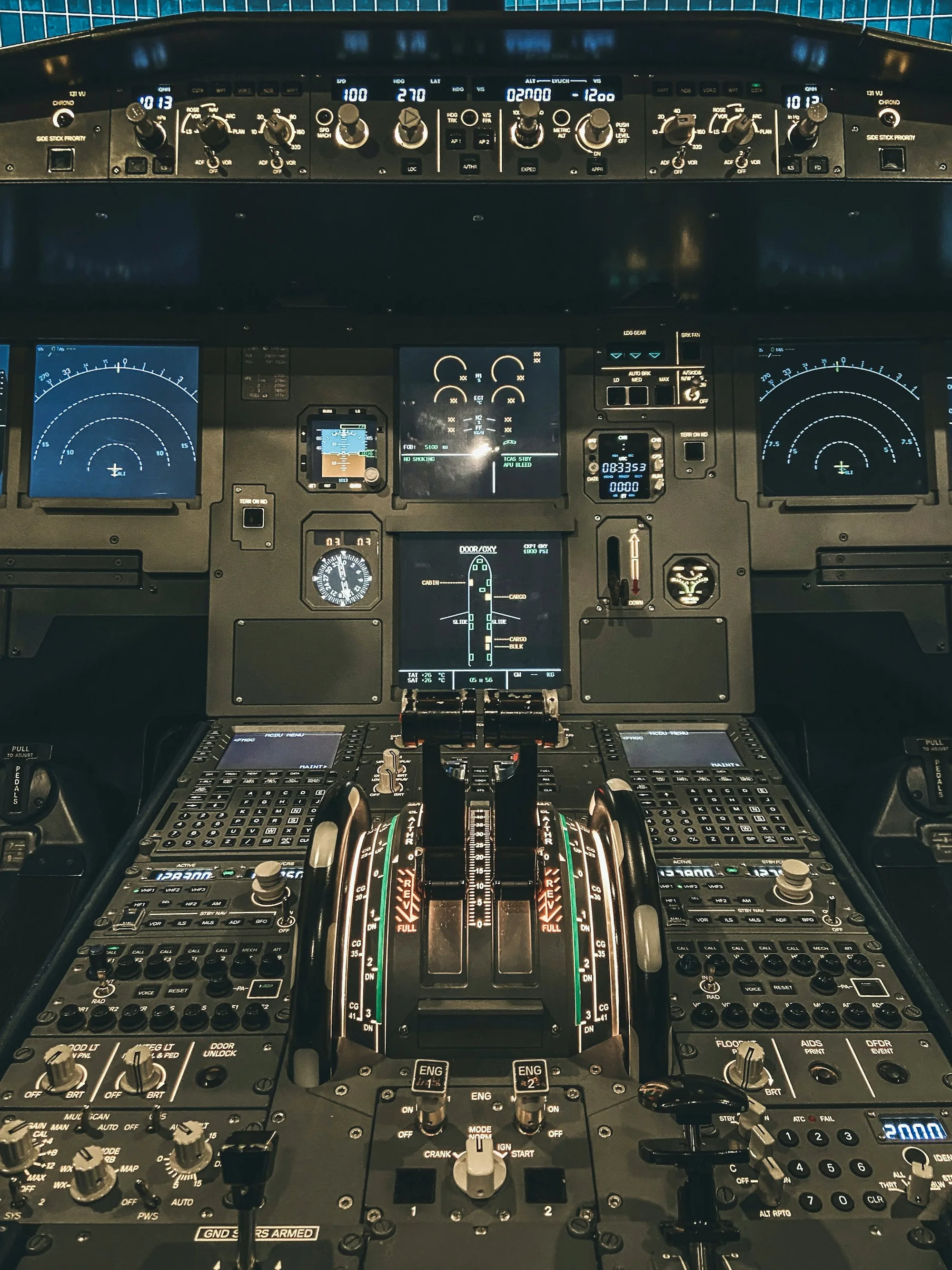
Commercial aircraft flight simulator arranged for professional training
Technical learning supports knowledge that remains usable under pressure.
Orange directional arrow painted on an airport pavement surface
Clear standards create shared expectations across the operation.

Professional standard

Consistency without complacency

Dependable performance is not a claim of perfection. It is a disciplined method for detecting change, correcting small deviations, and learning honestly from the work.

Read more about the operating principles on the aviation page, or explore practical applications in the aviation insights journal.