Introduction: Awareness Is an Active Model
Situational awareness is often described as knowing what is happening, but that definition is incomplete. A pilot must perceive relevant information, understand what it means in context, and project how the situation is likely to develop. This model includes the aircraft, environment, people, time, and plan. It is never finished. Every clearance, trend, mode change, weather report, or operational constraint can alter the picture.
The danger is that awareness feels convincing even when it is wrong. Humans do not experience a blank space where information is missing; the mind fills gaps with expectation. A familiar arrival appears to be proceeding normally, an anticipated clearance seems to have been issued, or a stable trend is assumed to continue. Strong situational awareness therefore depends less on feeling informed and more on continuously testing the mental model against reality.
Perceive What Matters
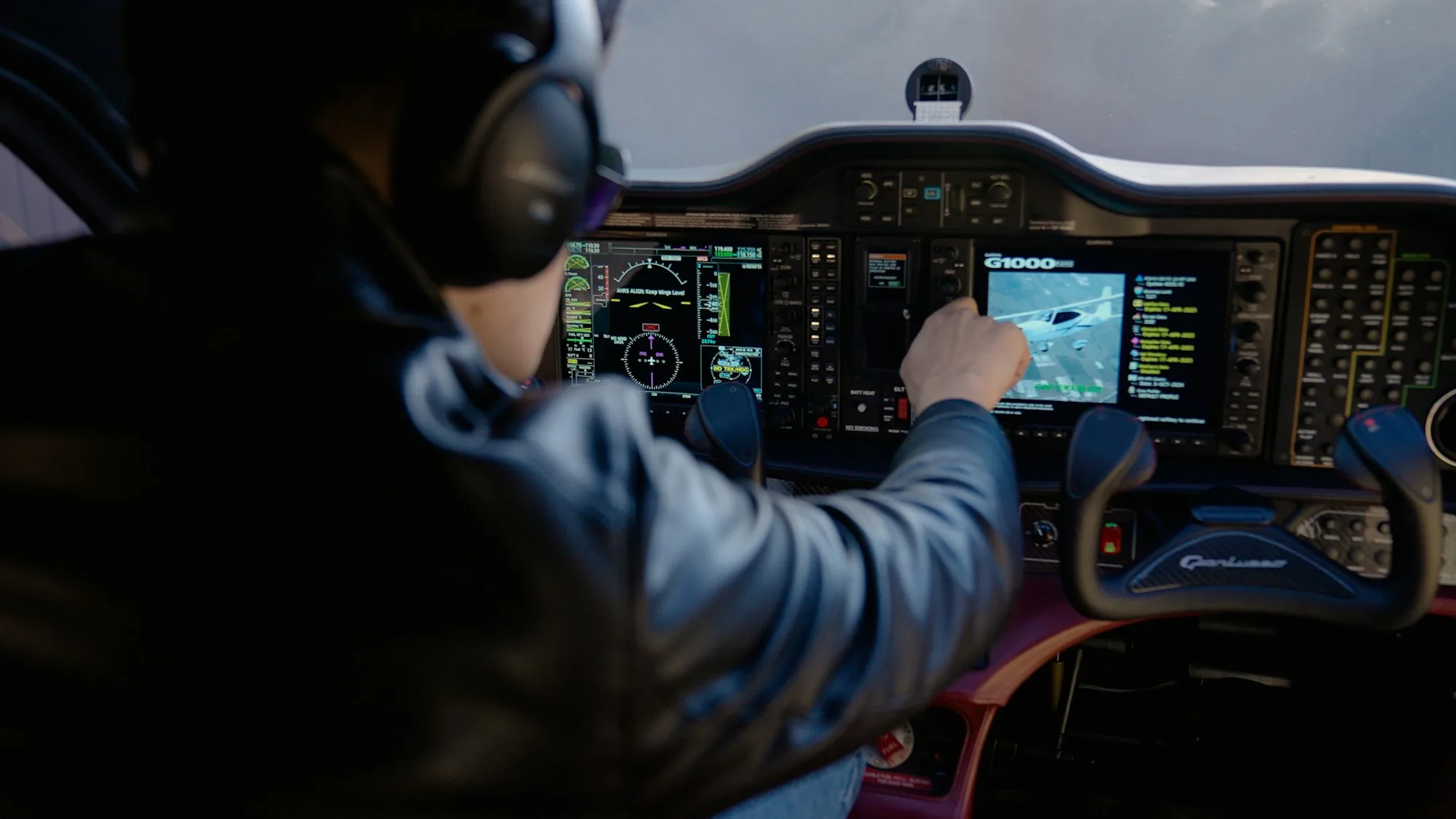
The cockpit produces more information than any person can attend to equally. Effective perception is selective, guided by phase of flight, threats, and expected changes. During descent, altitude constraints, terrain, weather, traffic, energy, and automation state may deserve priority. During taxi, route, hold points, surface traffic, and runway status dominate. A disciplined scan moves among these sources rather than waiting for one display or one alert to capture attention.
Perception also includes information beyond instruments. Tone of voice may reveal confusion; an unusual pause may signal that a clearance was not understood; changing light or cloud texture may challenge the weather report. These cues should not replace objective data, but they can prompt verification. Briefings improve perception when they identify what the crew expects to see and what would count as a meaningful deviation. Attention becomes more effective when it has a purpose.
Turn Data Into Meaning
Seeing a value is not the same as understanding it. A groundspeed, fuel figure, pressure trend, or vertical path matters because of its relationship to the plan. Comprehension asks whether the aircraft is where it should be, whether margins are changing, and whether separate cues tell a coherent story. An isolated indication may be benign; several small inconsistencies may reveal that the model is wrong.
Verbalising significance strengthens shared understanding. “Fuel is lower than planned by this amount, so our alternate margin will reach the trigger earlier” is more useful than reading the quantity alone. The statement connects observation to consequence and invites a cross-check. In single-pilot operations, a brief spoken or written note can serve the same cognitive function. It slows the jump from seeing to assuming and makes the next action more deliberate.
Project the Next State
Awareness becomes operationally valuable when it looks ahead. Projection asks where the aircraft, weather, fuel, workload, and available options will be in several minutes if nothing changes. This allows action before limits are reached. A high-energy approach recognised at the stabilisation gate may require a go-around; the same trend identified earlier may need only a speed reduction or extra track distance. Time expands the range of safe solutions.
Projection should include more than the preferred outcome. Consider how the situation develops if a clearance is delayed, the runway changes, weather falls below expectation, or a system becomes unavailable. This is not pessimism. It is a way to keep alternatives mentally accessible. The crew that has already identified the next safe state can move toward it without first overcoming surprise and attachment to the original plan.
Defend Against Attention Traps
Fixation is one of the most common threats to awareness. A technical issue, programming task, radio exchange, or uncertain indication can consume attention while flight path and time continue to change. The antidote is not to ignore the problem but to contain it. Assign roles, establish a stable flight path, set a time or altitude for review, and periodically return to the wider scan. If capacity is insufficient, create time or remove tasks.
Automation can both support and weaken awareness. It reduces physical workload and can improve precision, but it may also distance pilots from control inputs and future aircraft behaviour. Mode annunciations, targets, and resulting flight path must be treated as a connected chain. Asking “What is it doing, why is it doing that, and what will it do next?” turns automation monitoring into active prediction. If those questions cannot be answered promptly, a simpler mode may restore clarity.
Build a Shared Picture
In multi-crew operations, awareness is not merely the sum of two private pictures. Key information must be exchanged so the crew can detect disagreement. Briefings establish the initial model, callouts update it, and questions test it. A useful update includes the change, its meaning, and the intended response. This prevents one pilot from adapting silently while the other continues to monitor against an obsolete plan.
Healthy crews make uncertainty speakable. “I am not sure which mode is active,” “That clearance differs from what I expected,” or “I have lost the taxi picture” are valuable statements because they trigger recovery before uncertainty becomes error. The response should be curiosity and clarification, not embarrassment. Shared awareness grows when people can reveal the limits of their understanding without delay.
Recover When the Picture Is Lost
Loss of awareness is not always dramatic. It may appear as confusion about position, uncertainty about configuration, surprise at an alert, or inability to explain what happens next. The first recovery step is to acknowledge the mismatch. Maintain or establish a safe flight path, reduce complexity, and gather reliable facts. Ask for vectors, hold position, level off, or discontinue the approach if necessary. Continuing while hoping the picture returns allows uncertainty to compound.
Once stable, rebuild from fundamentals: aircraft state, position, clearance, terrain, fuel, weather, and immediate threats. Confirm automation and divide tasks. Only then should the crew develop a revised plan. Afterwards, examine which cues were missed and what captured attention. The goal is not to prove that awareness should never be lost; it is to become skilled at recognising degradation early and restoring an accurate model decisively.
Conclusion: Keep Testing the Picture
Situational awareness is a cycle of perceiving, understanding, projecting, and checking. It is strengthened by purposeful scans, meaningful callouts, active automation monitoring, open admission of uncertainty, and early recovery when the model no longer matches events. The central habit is intellectual humility: confidence must remain open to evidence. The best picture is not the one held most firmly, but the one updated most faithfully as reality changes.